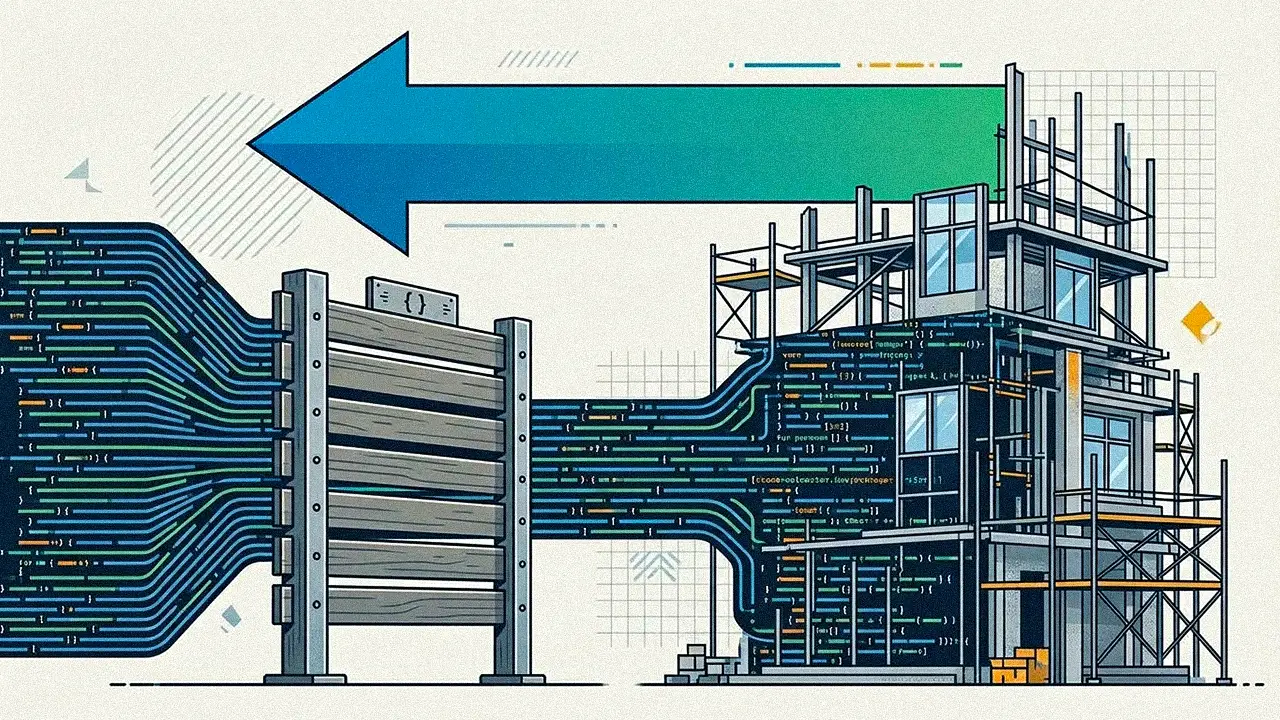

We're still treating cybersecurity as static. We think that if we can control the gateways, we control everything.
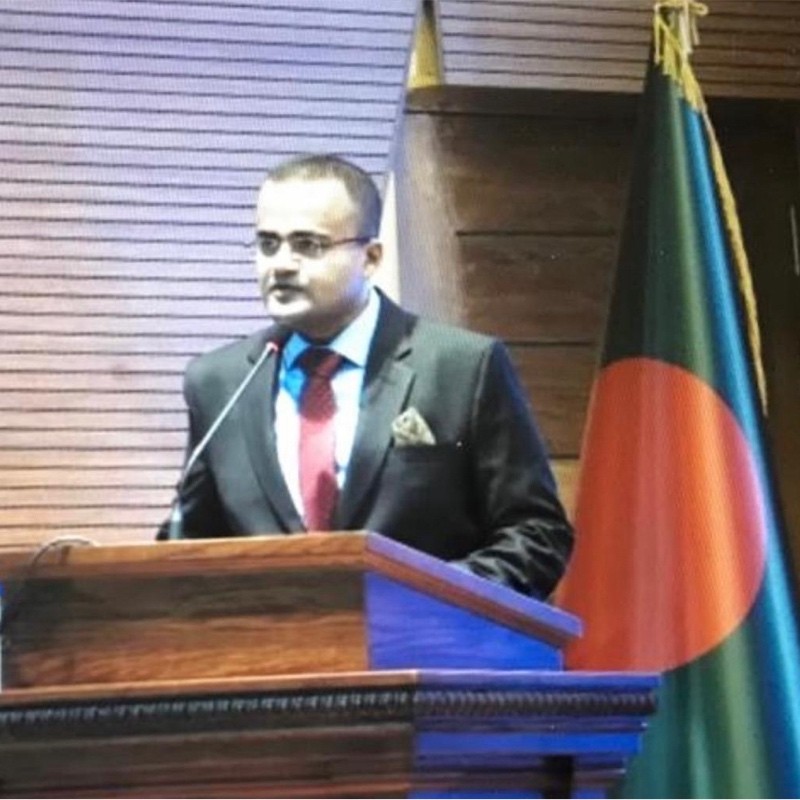 Dr. Syed Muntasir MamunDirector General (ICT/AI), Ministry of Foreign Affairs, Bangladesh
The transition to post-quantum cryptography promises to protect sensitive information against future threats, but it can't secure data that attackers have already stolen. Encrypted records obtained today could become readable once quantum computers are powerful enough to break the public-key cryptography protecting them. For enterprises responsible for information that must remain confidential for decades, the challenge extends beyond adopting new encryption standards to ensuring that sensitive data remains secure as the systems used to store, access, and verify it evolve.
Dr. Syed Muntasir Mamun, Director General (ICT/AI) at Bangladesh's Ministry of Foreign Affairs, has led digital modernization initiatives across the ministry and its 81 overseas missions. He has more than two decades of experience in the foreign service and has written about quantum-resilient cryptography. His work on public-sector technology informs his thinking about protecting information that may outlast the infrastructure originally built to hold it.
“We're still treating cybersecurity as static. We think that if we can control the gateways, we control everything,” Muntasir says. Yet enterprise records must remain secure long after an access session ends or the systems holding them are replaced. Muntasir argues that organizations need an architecture capable of protecting sensitive information throughout its useful life, particularly as AI introduces new ways to access and use that data.
Keeping sensitive records beyond the reach of future threats
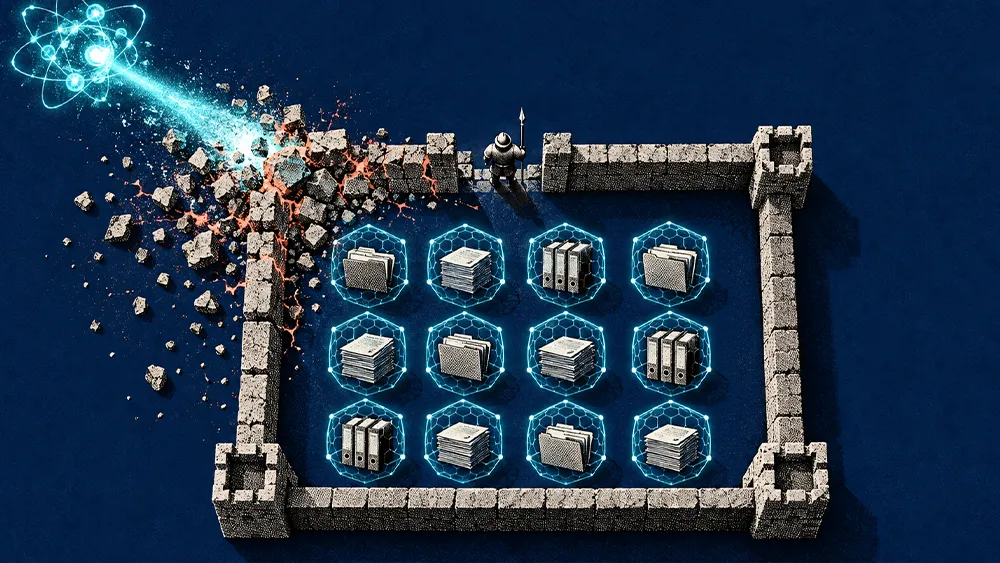
Attackers can collect encrypted information today and retain it until quantum computers become capable of breaking the cryptographic protections used to secure it. While adopting new encryption standards can reduce future exposure, it can’t protect copies of sensitive information that have already fallen into the wrong hands.
Limiting future exposure requires examining how and where the data is stored. Muntasir proposes separating computing environments built for intensive processing from repositories intended to preserve sensitive records over long periods. “What if we could actually create air-gapped, geopolitically and disjointed sets of data archives that you can’t physically access?” he says. His vision includes geographically distributed, jurisdictionally controlled archives designed to limit exposure across borders and infrastructure environments.
The balance between data security and the need for access
“Imagine absolutely isolating your data from your protocols. How will you work with it then?” Muntasir says. The challenge lies in allowing applications to retrieve protected information without compromising its security, particularly as AI systems draw on growing volumes of enterprise data.
Muntasir proposes separating semantic search indices from the records they reference, allowing systems to locate information while enforcing separate controls over access to the underlying content. He suggests protecting these indices with AES-256 and using post-quantum cryptography within the infrastructure that authorizes access to the records.
AI memory creates new opportunities for manipulation
For AI agents that retain context across sessions, another risk emerges after retrieval. These agents may preserve information from earlier interactions in persistent memory and draw on it when performing tasks. Muntasir describes a potential threat he calls "narrative poisoning," in which an attacker modifies the contextual memory an AI agent uses to guide its future behavior. A malicious change could influence later actions without requiring the attacker to interfere with every subsequent interaction.
He proposes maintaining a timestamped history of an agent's development and changes across sessions. With that record, “if someone creates a fork, that fork can be identified,” he explains. Identifying a divergent version could help administrators determine which agent state is authorized and investigate modifications affecting its permissions or behavior.
Muntasir also suggests using post-quantum digital signatures to verify the integrity of individual memory records. These signatures could help detect unauthorized changes, although they can’t establish that the original information was accurate or trustworthy. As persistent memory accumulates and changes, organizations would need to verify the integrity and provenance of new records while retaining a reliable history of previous states.
Toward a future where data can protect itself
Muntasir sees continuous validation as another component of this architecture, with “monitoring, validation, authentication, and then evaluation protocols” embedded into evolving data structures. His broader proposal extends to automated governance, though deploying these capabilities at enterprise scale would require clear authorization rules, auditability, and evidence of reliability.
For organizations planning post-quantum migration, cryptographic choices intersect with decisions about storage boundaries, retrieval mechanisms, and the provenance of AI memory. Muntasir envisions an architecture in which access controls protect the systems that move information, while integrity mechanisms provide additional protection for the information itself. “So your defense is literally twofold. One is your gates and Gatekeepers. And on the other hand, your data also evolves. So your data starts protecting itself,” he concludes.